Rafael Lehmann · 1 November 2026
Veteran Observations Illuminate Links Between Tourism Expansion and Marine Resource Challenges
Experienced observers with decades of time on the water have tracked steady shifts in marine environments as coastal tourism grows, and those patterns show up in data collected across multiple regions, according to reports compiled through November 2026. Researchers note that visitor numbers at popular shorelines have climbed steadily since the early 2010s, bringing measurable pressure on fish stocks, reef structures, and water quality in areas that once supported smaller seasonal crowds.
Patterns Observed Over Decades
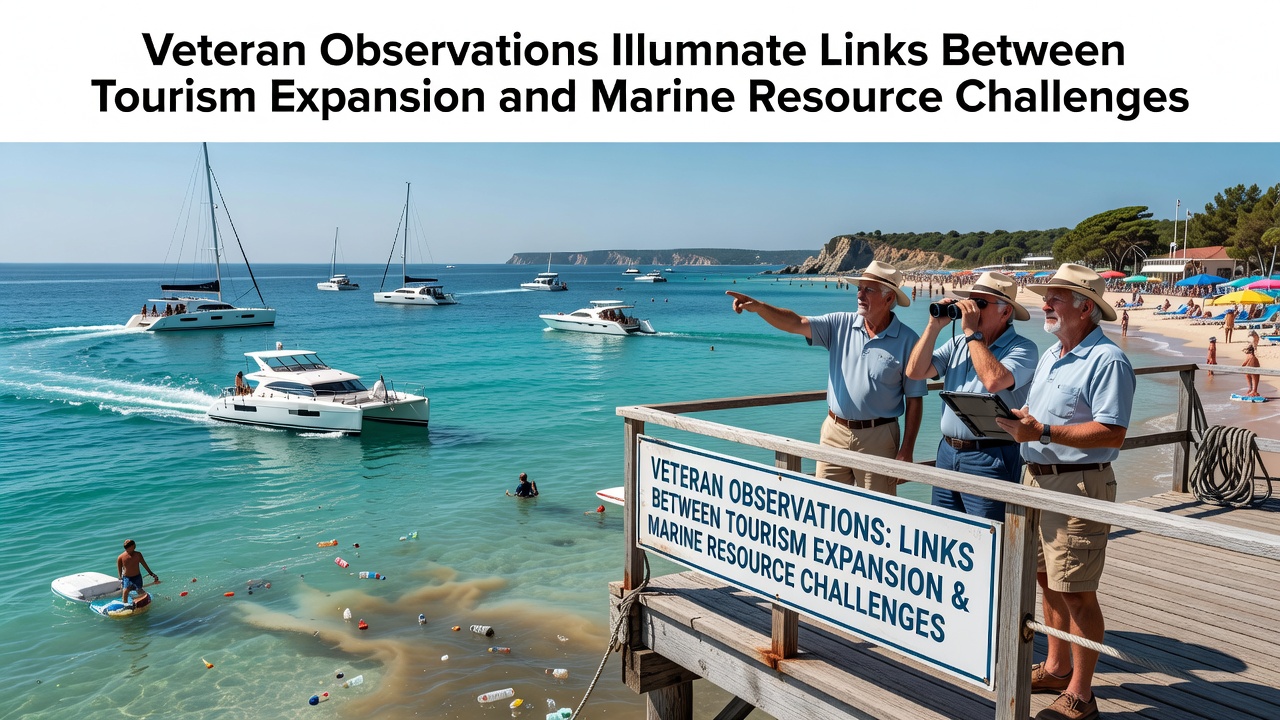
Those who have worked in marine monitoring roles for twenty years or more describe clear differences between earlier conditions and current ones, and their accounts line up with figures from government monitoring programs. Increased boat traffic correlates with higher rates of anchor damage on seagrass beds and coral formations, while expanded resort development often coincides with elevated nutrient runoff that fuels algal blooms. Data from coastal surveys indicate that certain fish populations in high-traffic zones have declined by measurable percentages during the same periods when hotel occupancy rates rose.
One study released by the National Oceanic and Atmospheric Administration tracks visitor arrivals alongside changes in reef health metrics, and the results show overlapping trends rather than isolated events. Similar records from Australian marine authorities highlight parallel outcomes in the Great Barrier Reef region, where tourism infrastructure expansion has been accompanied by documented increases in sediment loads and occasional outbreaks of crown-of-thorns starfish linked to nutrient inputs.
Resource Strain and Visitor Growth
Marine resource challenges appear in several measurable forms once tourism reaches certain thresholds. Commercial and recreational fishing effort intensifies near new access points, and catch data from port authorities show shifts in species composition that align with those access improvements. Water sampling programs report rising levels of microplastics and sunscreen-related compounds in bays that receive concentrated boat and swimmer activity during peak months.
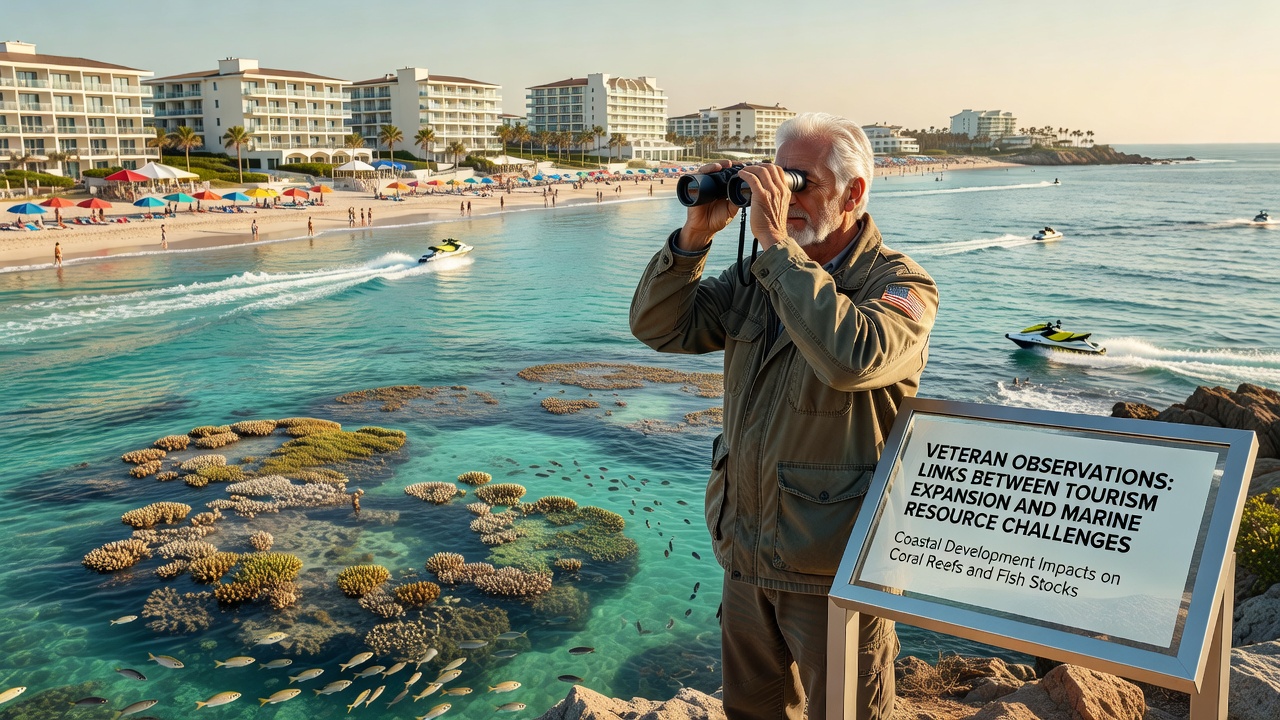
Observers note that seasonal spikes in waste generation from shore-side businesses sometimes exceed the capacity of local treatment systems, leading to occasional discharge events tracked by environmental agencies. These events coincide with temporary drops in water clarity and dissolved oxygen readings that affect both wild fish populations and aquaculture operations nearby. European Environment Agency summaries from the Mediterranean coast present comparable records where cruise and ferry traffic growth tracks with changes in benthic community structure.
Monitoring Efforts and Data Collection
Systematic recording by long-term observers provides context that short-term studies sometimes miss. Veterans of coastal patrol and research programs have maintained logs that capture gradual rather than sudden changes, and those logs help researchers separate tourism effects from broader climate influences. University-led projects in Canada and New Zealand have incorporated such historical observations into models that project future pressure points if visitor growth continues at current rates.
Remote sensing combined with on-site verification shows that newly developed marinas and beachfront facilities often sit near previously low-impact zones, and habitat mapping reveals corresponding losses in nursery areas for commercially important species. Fisheries departments in several countries now require tourism operators to submit usage reports that feed into larger ecosystem assessments released each year.
Response Measures Underway
Regulatory bodies have introduced limits on daily visitor entries at certain sensitive sites, and these caps appear in management plans published through late 2026. Some destinations have shifted toward low-impact activities such as guided snorkel tours that follow designated routes, while others have expanded artificial reef installations to divert pressure from natural formations. Industry groups representing marine tour operators have begun sharing best-practice guidelines drawn from the same long-term observation datasets.
Collaboration between veteran observers and academic teams continues to refine indicators that flag early signs of stress, allowing adjustments before thresholds are crossed. These indicators include changes in water chemistry, shifts in species abundance, and alterations in sediment composition measured at fixed stations over multiple seasons.
Conclusion
Records compiled through November 2026 demonstrate consistent associations between tourism expansion and specific marine resource pressures across varied coastal settings. Veteran observers supply continuity that helps interpret newer datasets, while government agencies and research institutions supply the quantitative backbone. Ongoing monitoring and adaptive management practices remain central to addressing these overlapping trends as visitor patterns evolve.