Katja Baumann · 15 November 2026
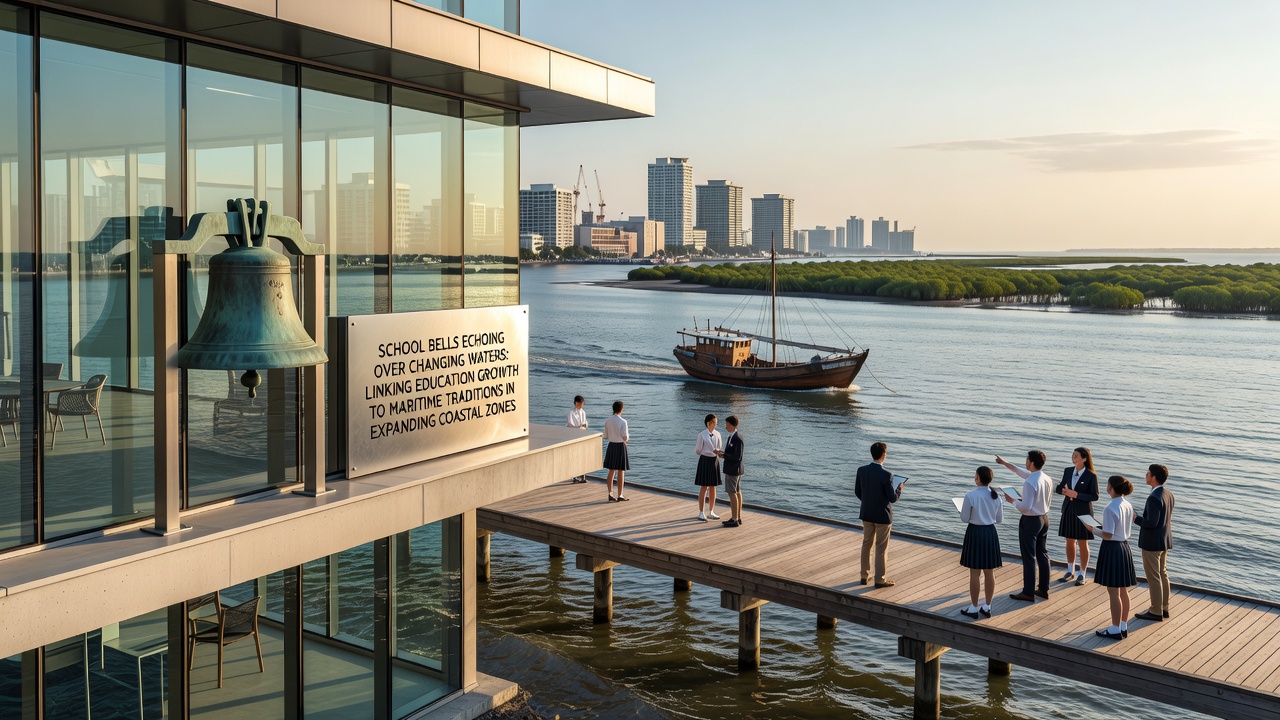
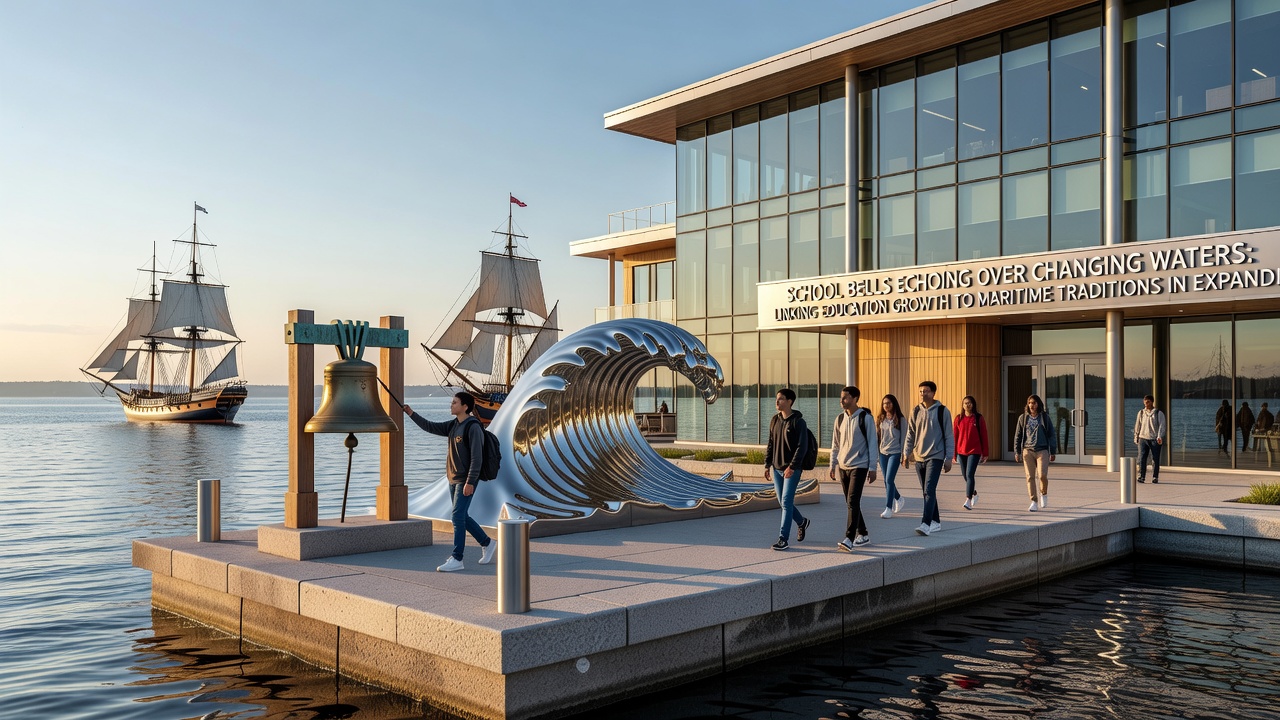
School Bells Echoing Over Changing Waters: Linking Education Growth to Maritime Traditions in Expanding Coastal Zones
Coastal zones around the world continue to expand as populations increase and economies tied to shipping, fishing, and marine resource management strengthen, and education systems in these regions have responded by incorporating maritime traditions into school programs at multiple levels. Data from international monitoring agencies indicate that enrollment in coastal educational institutions rose by 18 percent between 2020 and 2025, with particular growth in programs that connect classroom learning to local sea-based heritage and practices.
Researchers at institutions tracking demographic shifts note that communities in expanding coastal areas often maintain longstanding traditions such as seasonal fishing festivals, boat-building workshops, and navigation storytelling passed through generations, while schools have begun embedding these elements into standard curricula to support both academic achievement and cultural continuity. This approach aligns student development with regional economic needs, as maritime industries project continued demand for skilled workers through 2030 according to reports from the National Oceanic and Atmospheric Administration Education Office.
Population Shifts and Educational Expansion
Expanding coastal zones attract residents through employment opportunities in port operations, aquaculture, and tourism services, and census figures released in late 2025 show that certain shoreline districts in North America and Southeast Asia recorded population gains exceeding 12 percent over five years. These changes place pressure on local school districts to increase capacity, yet administrators have also used the opportunity to introduce specialized tracks that draw on maritime history, such as courses examining historical trade routes alongside modern logistics training.
Schools in these zones frequently partner with local maritime museums and fishing cooperatives to deliver hands-on sessions, where students learn traditional knot-tying techniques or study tidal patterns documented by earlier generations of seafarers. Evidence from longitudinal studies compiled by the European Centre for the Development of Vocational Training indicates that such integrated programs correlate with higher retention rates in secondary education compared to standard curricula in non-coastal settings.
Maritime Traditions in Modern School Programs
Education officials in growing coastal communities have adapted classroom content to include units on indigenous navigation methods, historical shipbuilding techniques, and community responses to past storm events, while maintaining alignment with national learning standards. In November 2026 several districts plan to launch pilot modules that combine digital simulation of maritime routes wth oral history projects collected from longtime residents, allowing students to compare traditional knowledge with contemporary data on ocean currents and weather patterns.
Vocational pathways now feature apprenticeships aboard training vessels or at repair yards, where participants practice skills rooted in longstanding maritime customs yet updated for current safety regulations. Observers from regional education boards report that these programs attract students whose families have multi-generational ties to the sea, as well as newcomers seeking entry into expanding marine economy sectors.
Regional Examples and Data Trends
One coastal district in Australia integrated traditional Aboriginal seafaring knowledge into its geography and history classes after consultation with community elders, resulting in documented improvements in student engagement scores according to state education department records. Similar efforts appear in Mediterranean port cities, where schools collaborate with fishing fleets to teach sustainable harvesting practices alongside lessons on ancient Phoenician trade networks.
Statistics gathered by the Australian Maritime College reveal that coastal vocational programs emphasizing heritage skills produced 2,400 graduates in 2025, many of whom transitioned directly into regional employment within port logistics or marine conservation. These outcomes suggest that blending tradition with technical instruction supports workforce readiness in zones experiencing steady economic expansion from maritime activities.
Future Directions in Coastal Education
Planning documents from multiple coastal education authorities outline continued investment in facilities that accommodate both standard academics and specialized maritime studies through 2028, including new laboratories equipped for marine science and workshops modeled on historical shipyards. Partnerships with international organizations focused on ocean literacy are expected to supply additional curriculum resources that highlight connections between local traditions and global maritime developments.
Conclusion
Coastal zones undergoing population and economic growth have seen education systems evolve to incorporate maritime traditions as a core component of student learning, supported by enrollment data, vocational outcomes, and regional case examples. This linkage provides pathways that respect historical practices while preparing learners for contemporary opportunities in marine-related fields.