Greta Günther · 6 September 2026
Local Volunteers Lead Charge in Restoring Waterfront Habitats Post-Storm
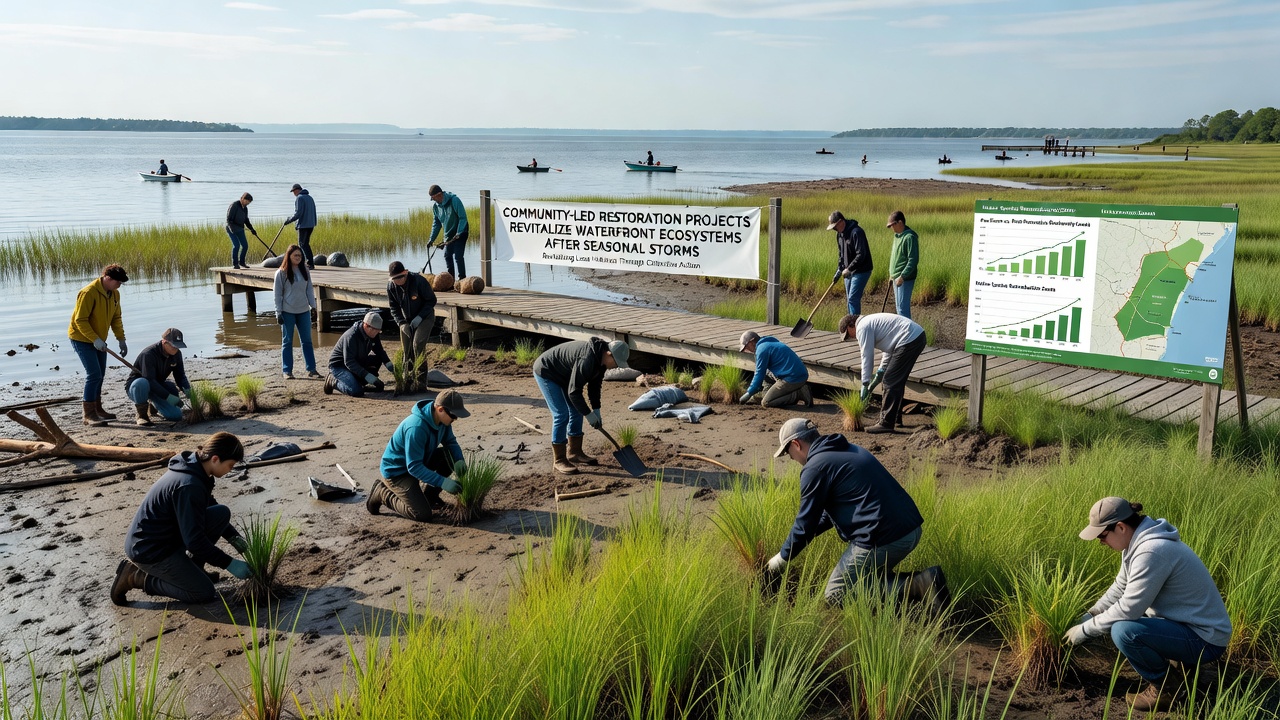
Seasonal storms deliver intense rainfall along with powerful winds that erode shorelines while depositing debris which disrupts water quality and habitat structures, yet communities across coastal regions have organized to counteract these effects through targeted restoration work. Groups of residents, scientists, and local organizations coordinate planting efforts, debris removal, and habitat reconstruction that rebuild natural barriers and support species recovery in affected areas.
Storm Damage Patterns Observed in Recent Seasons
Monitoring programs track how hurricanes and nor'easters reshape waterfront zones by stripping away vegetation and altering sediment flows, and data collected over multiple years shows consistent patterns of habitat loss in marshes and estuaries. Restoration teams respond by mapping vulnerable spots and prioritizing sites where native plants can take root quickly to prevent further erosion during the next weather cycle.
Researchers have documented increases in biodiversity after initial plantings take hold, with fish populations returning to rebuilt oyster reefs and bird species nesting in restored marsh grasses. These outcomes appear in reports from multiple regions where volunteers log hours each month to maintain progress between storm events.
Methods Used by Community Restoration Teams
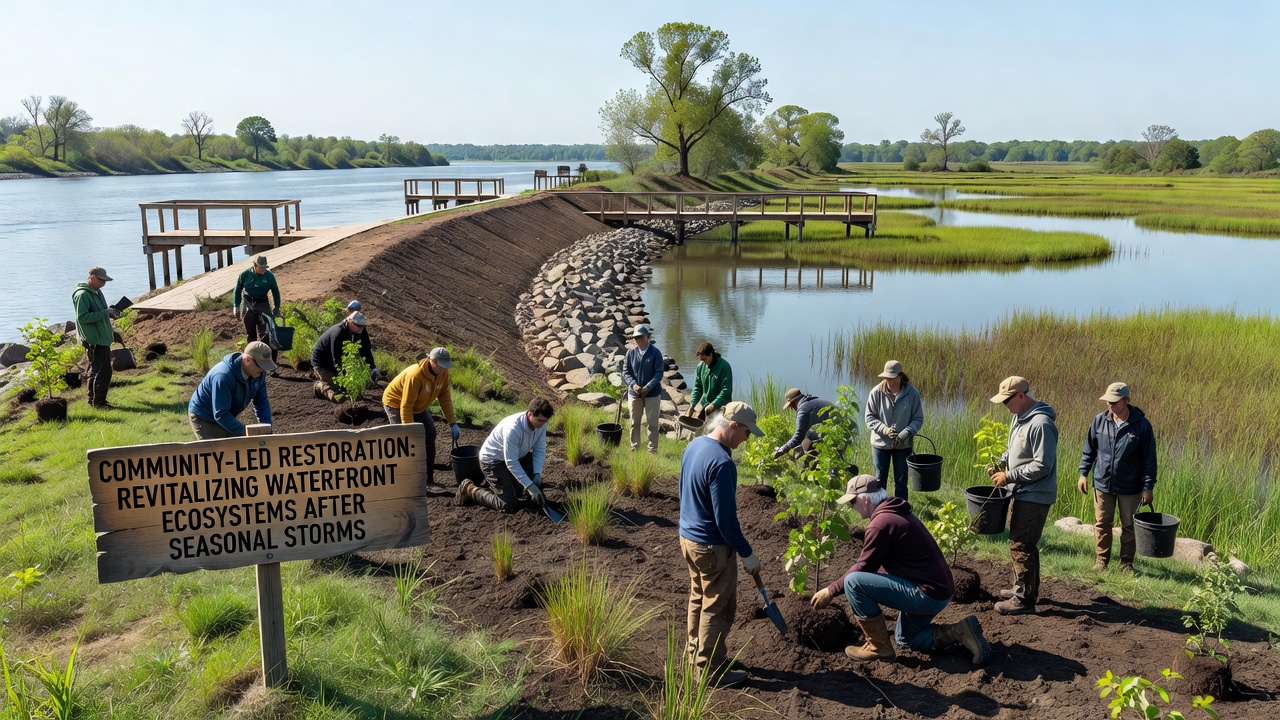
Teams employ a mix of techniques including living shorelines constructed from biodegradable materials, strategic placement of submerged aquatic vegetation, and removal of invasive species that compete with native growth. Local knowledge guides decisions about timing and species selection since residents often notice seasonal changes in tides and wildlife behavior that influence project success rates.
Training workshops teach participants how to monitor water parameters and record wildlife sightings, which feeds into larger databases used by agencies for regional planning. Partnerships with universities supply equipment and analysis support while community members contribute the on-the-ground labor that keeps costs manageable and projects scalable.
Progress Reported Through Mid-2026
Projects scheduled for major milestones in September 2026 have already demonstrated measurable gains in shoreline stability and species counts according to field surveys. One effort in the Pacific Northwest completed new eelgrass beds that reduced wave energy reaching the shore while another in the Gulf region added miles of restored marsh that now buffers nearby infrastructure during high-water events.
Funding comes from a blend of grants, corporate sponsorships, and crowdfunding campaigns that allow groups to purchase materials and cover insurance for volunteer activities. Coordination through online platforms helps organizers share best practices across different watersheds so successful methods spread faster than they would through formal channels alone.
Supporting Data from Government Sources
According to the Environmental Protection Agency, restored wetlands filter pollutants at rates that protect downstream water supplies and reduce the frequency of harmful algal blooms. Figures released by Environment and Climate Change Canada reveal similar improvements in sediment retention and fish nursery function following community-led interventions in Atlantic provinces.
Long-term tracking shows that sites with active volunteer involvement recover faster than those left to natural processes alone because regular maintenance prevents setbacks from minor weather events. These patterns hold across temperate and subtropical zones where seasonal storm frequency remains high.
Conclusion
Community-led restoration combines local action with scientific guidance to reverse storm-related damage and strengthen waterfront ecosystems against future events. Continued monitoring through 2026 and beyond will clarify which techniques deliver the most durable results while expanding participation ensures the work scales to meet ongoing needs.